
Fractional CTO in Raleigh,
with the engineers attached.
The problem
You have a product to build.
We bring the leaders and devs to build it.
You build the wrong thing.
You build it the wrong way.
We are not just a dev shop.
Your CPO figures out what should be built. Your CTO makes sure it is built the right way. Your CIO handles the systems, security, and infrastructure behind it. And the development team comes with them.
Chief Product Officer
Chief Technology Officer
Chief Information Officer
One team. Senior leadership, product strategy, technology, infrastructure, and the developers to actually build it.
Three steps to
a product that works.
Product strategy
Before anyone writes code, we get clear on what you are building, who it is for, and whether it is worth building at all.
Build
The foundation goes in first, then the product gets built in short cycles you can actually see.
Pilot
Real users, not a demo. This is the step most partners skip, and it is the one that tells you the truth.
You get both,
A Chief Product Officer
A Chief Technology Officer
A Chief Information Officer
A project manager running the work week to week, and senior engineers on the tools. Over fifty of them, directed by the three above rather than left to interpret a specification, which is the difference between a team producing output and a team producing a product.

Meet the team who takes you
from Zero to 1.

Rick Cabrera, PfMP, PMP
FOUNDER
25 years launching products, from two-person startups to the Fortune 500. Five U.S. patents. PMP and PfMP certified. Led product and technology work at Dell, Univision, and Verizon.

Ritesh Patel
TECHNOLOGY
20 years building systems that hold up when they get big, and leading the engineers who build them. Has done it in startups and in large companies.
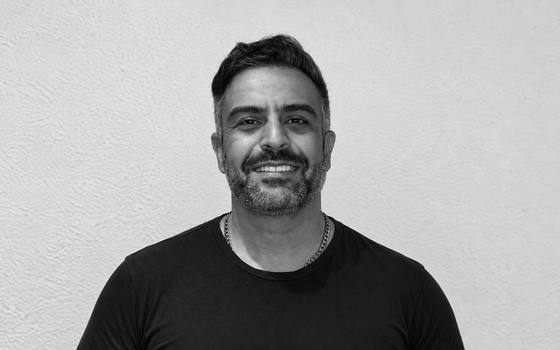
Ignacio Kassis
PRODUCT & TECHNOLOGY
Two decades building software and leading technical teams across the United States, Spain and Latin America. Founded and still runs Web Systems.
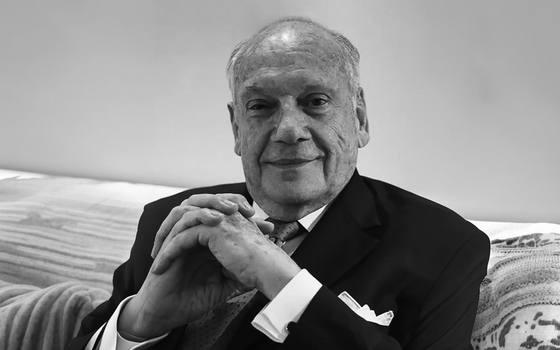
Dr. George Kastner
BUSINESS STRATEGY
Former President of Arthur D. Little Latin America. Decades running strategy and operations for global businesses. Teaches at the University of Miami.
Where we have done this before.
Funds riased for clients




Trusted by startups and the Fortune 100, in AI, infrastructure, telecom, media, insurance, cinema technology and workforce software.
What it costs
What it costs,
both ways.
A product needs three kinds of senior leadership: someone deciding what to build, someone deciding how it gets built, and someone making it run safely in the cloud. Here is what each route costs, with nothing held back.
$1.1M to $1.65M
What senior product and technology executives cost per year once you count salary, bonus and stock. That is before the four to six months it takes to find them, and before stock you cannot get back if it does not work out.
From $10,000 a month
That is where it starts and everything is inside it: senior product and technology leadership, a project manager running delivery, and the engineers writing the code. Nothing is billed separately, and you can stop when the product no longer needs it.
Fractional CTO in Raleigh, answered.
Ten thousand dollars a month is the entry point. The Triangle is one of the better places in the country to staff a build affordably, which makes senior direction the part genuinely worth paying for rather than raw capacity. What matters is what the team produces, not what it costs per hour. Give us the outline and we will size it.
Enterprise software, pharmaceutical and research organisations across the Triangle, and founders who can staff a build affordably and now have to decide what it should contain. Capacity is rarely the limit here, which puts the weight on sequence.
An agency sells capacity, and capacity is the one thing this market already gives you cheaply. What is worth paying for here is the judgement about what to build, which is what a fractional CTO is actually for.
Yes, and here it is often all you need. Staffing a build in the Triangle is comparatively affordable, so the missing piece is usually direction rather than capacity. We point the team you already have at the right thing and in the right order.
A consultant reviews what you are doing and writes it up. A fractional CTO decides how your product gets built, leads the engineers who build it, and answers for it afterwards. If nobody is doing that second job, you have bought an opinion, not a product.
We are not based in Raleigh and we will not pretend otherwise. We travel for the meetings where being in the room changes the outcome, and the rest of the work runs the way your company already runs. Our leadership is US based and works your hours.
Both, and that is the point. Over fifty senior engineers work under the same leadership you are hiring, in Python, PHP, C# and .NET, JavaScript, TypeScript, React, Node.js, Swift and PostgreSQL. Leadership without a team leaves you to go and hire one.
Yes, and we will help you make the hire rather than compete with it. We write the brief, sit in the interviews, and hand over the architecture and the reasoning behind every decision. A partner who makes that handover harder is protecting their contract, not your product. The Triangle is one of the easier markets in the country in which to make this hire, which is part of why building here works.
No, and early is usually where this saves the most money. The decisions that cost the most to undo are the ones made in the first few months, normally by whoever happened to be available. We pick your product up wherever it is and take it from zero to one.
Yes. Diligence asks who built the technology, how it was built and whether it will hold. We help you get the answers right, and we sit in the room with you rather than handing you a document and leaving.
No. We work with startups and enterprise teams across the US. What matters far more than a shared postcode is whether somebody senior owns how your product gets built.
One conversation. You tell us what you want to build, or where your product got stuck. We tell you honestly what we would do about it and what it would take. If we are not the right team for it, we will say so.